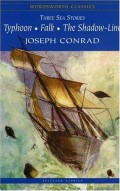
three sea stories ,typhoon,falk,the shadow-line
As these three specially commissioned stories amply demonstrate, Conrad is our greatest writer of the sea. His characters are tested by dramatic events 'that show in the light of day the inner wort…
- Edition
- -
- ISBN/ISSN
- 978-1-85326-743-7
- Collation
- 255 p
- Series Title
- -
- Call Number
- 820,03/ 1738
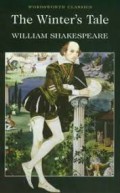
the winter's tale
One of Shakespeare's most haunting and enigmatic late plays, The Winter's Tale is a fine example of Shakespeare's fascination with the dramatic genre of "romance": the portrayal of magical lands, f…
- Edition
- ط 1
- ISBN/ISSN
- 978-1-85326-235-7
- Collation
- p 153
- Series Title
- -
- Call Number
- 820,03/ 1735
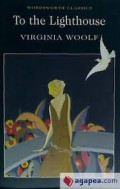
to the lighthouse
In the final section, “The Lighthouse,” some of the remaining Ramsays and other guests return to their summer home ten years after the events of Part I. Mr Ramsay finally plans on taking the lo…
- Edition
- ط 1
- ISBN/ISSN
- 978-1-85326-091-9
- Collation
- 159 p
- Series Title
- -
- Call Number
- 820,03/ 1739

the wind in the willows
Far from fading with time, Kenneth Grahame's classic tale of fantasy has attracted a growing audience in each generation. Rat, Mole, Badger and the preposterous Mr Toad (with his ‘Poop-poop-poopâ…
- Edition
- ط 1
- ISBN/ISSN
- 978-1-85326-017-9
- Collation
- p 192
- Series Title
- -
- Call Number
- 820,03/ 1734
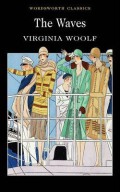
the waves
One of Woolf’s most experimental novels, The Waves presents six characters in monologue - from morning until night, from childhood into old age - against a background of the sea. The result is a …
- Edition
- ط 1
- ISBN/ISSN
- 978-1-84022-410-8
- Collation
- p 172
- Series Title
- -
- Call Number
- 820,03/ 1733
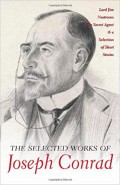
the selected works of joseph conrad
Lord Jim, first published in 1900, confirmed Conrad's place in literature as one of the first 'modernists' of English letters. Set in the Malay Archipelago, not only does the novel provide a grippi…
- Edition
- ط 1
- ISBN/ISSN
- 978-1-84022-061-2
- Collation
- 1371 p
- Series Title
- -
- Call Number
- 820,03/ 1724
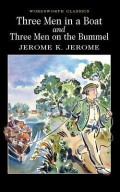
three men in boat e three men on a bummel
Martyrs to hypochondria and general seediness, J. and his friends George and Harris decide that a jaunt up the Thames would suit them to a 'T'. But when they set off, they can hardly predict the tr…
- Edition
- -
- ISBN/ISSN
- 978-1-85326-051-3
- Collation
- 334p
- Series Title
- -
- Call Number
- 820,03/ 1737
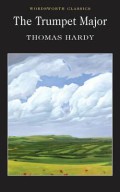
the trumpet major
With an Introduction and Notes by Charles P.C. Pettit Thomas Hardy's only historical novel, The Trumpet Major is set in Wessex during the Napoleonic Wars. Hardy skilfully immerses us in the life of…
- Edition
- ط 1
- ISBN/ISSN
- 978-1-85326-246-3
- Collation
- p 264
- Series Title
- -
- Call Number
- 820,03/ 1730

the turn of the screw e the aspern papes
This book is a tough read. It is very Baroque despite being late 19th century. The prose is heavily ornamented with many asides and qualifications. It explores every avenue of a particular thread o…
- Edition
- ط 1
- ISBN/ISSN
- 978-1-85326-069-8
- Collation
- p 180
- Series Title
- -
- Call Number
- 820,03/ 1731
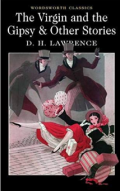
the virgin and gipsy and other stories
With an Introduction and Notes by Jeff Wallace, University of Glamorgan These stories of myth and resurrection, of uncanny events and violent impulse, were with one exception written and published …
- Edition
- ط 1
- ISBN/ISSN
- 978-1-85326-165-4
- Collation
- p 216
- Series Title
- -
- Call Number
- 820,03/ 1732

 Computer Science, Information & General Works
  Philosophy & Psychology
  Religion
  Social Sciences
  Language
  Pure Science
  Applied Sciences
  Art & Recreation
  Literature
  History & Geography